Who We Are
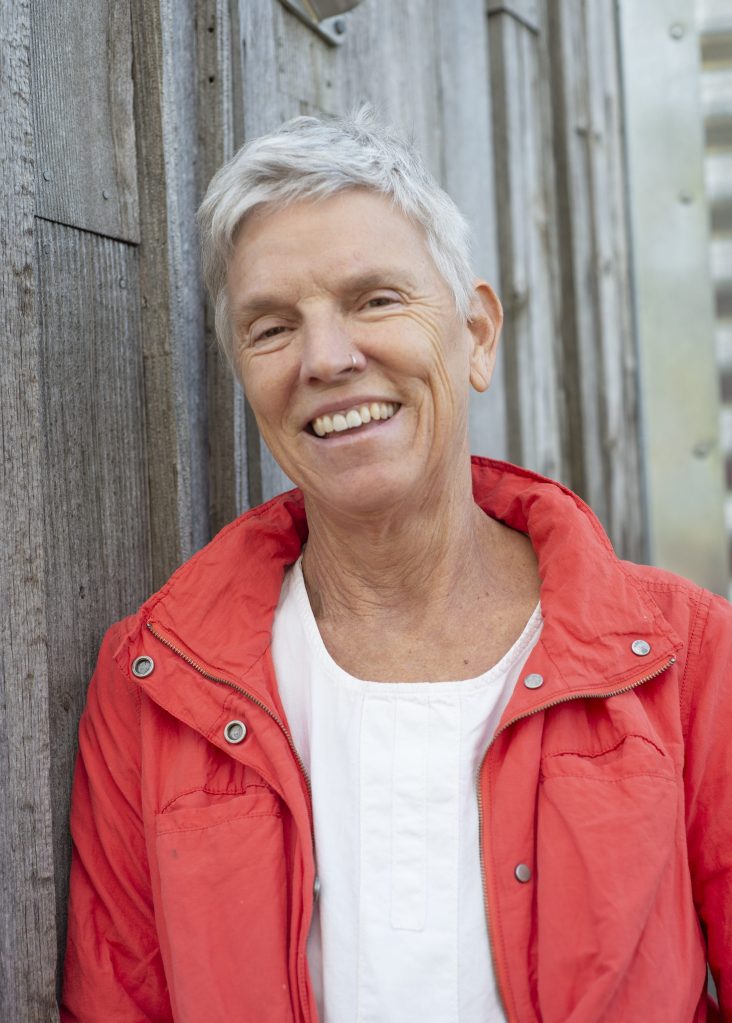
Jane Whitlock
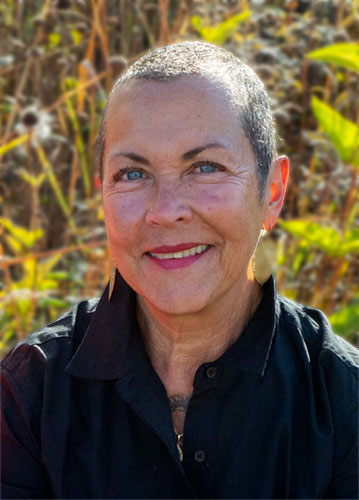
Nina Guertin
Who We Are, the Death Collaborative, & FSTS
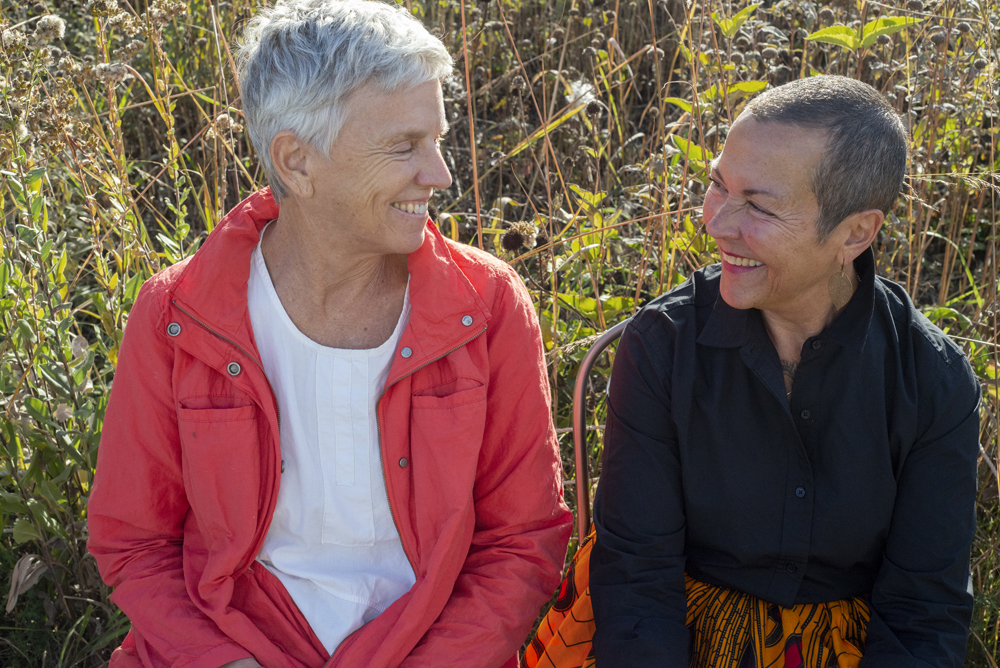
In October of 2026, Courtney Helgoe interviewed Jane and Nina to get a little history of their relationship, the Minnesota Death Collaborative, and From Seeds to Service.
Jennifer Larson also joined in to take photos. (Both Courtney and Jennifer are alumni of the Foundations Program to Dying and Death Cohort 1; Jane and Nina are grateful for their talents and expertise!)
Afterwords, the four of them had pizza and beers – it was a delightful fall evening.
Here’s an excerpt from that interview:
Courtney: How did you find each other?
Jane: In the early days there were a few different groups of doulas who wanted to
consider merging the groups. The first meeting was in my tiny living room in St. Paul
and there were over 20 of us. Someone asked where one of the well-known doulas was and I shared that she had felt called to other projects. I personally had been a little unsure of moving forward without her, but then Nina piped up, ‘We got this!” And I thought, “Who’s THAT? She’s great!”
Nina: I remember being at your house, Jane, and thinking, “We’re gonna do
something!” At first, there were a lot of people who said they were in, but then for various reasons, they didn’t come through. Then there was a group of us that met again, and half of THEM fell away. In the end, there were seven of us who eventually formed the Minnesota Death Collaborative (MNDC).
Courtney: What was the early goal of MNDC?
Nina: To build a collaborative. I knew that I could not do this work alone. And so I
wanted a group of people that I could count on, that I could call if I needed to run
something by, if I needed help, if I needed whatever. For me it was about collaborating. It wasn’t about elevating my business, or about learning how to run my business. That wasn’t even a question for me. (Should have been, probably, but it wasn’t.) It was about, “How do I collaborate?”
Jane: Same. We just wanted to create a professional networking organization so we
could support each other – not be competitive with each other. In a lot of places where this movement was growing, there was competition, with people saying, you’re a threat to me. I would say there was a ‘go it alone’ mentality in doula work in other places. We wanted something different.
Courtney: Why From Seeds to Service? Why educate future doulas?
Jane: I feel strongly that Minnesota should have its own training program. We’re doing so many awesome, amazing things that we don’t need outside trainers to come in. Most training programs are huge and online and don’t offer a sustained relationship. I think the work really demands apprenticeship and mentoring, and I think that’s much easier to do if you are based locally. I also like the idea of us creating something that we can one day give to the MNDC. We will have a rock solid place for people to train and be supported as they grow into the work.
Nina: That’s really been our focus from the beginning. We get this up and running, and then we move it over to the MNDC for a revenue stream so they can do bigger and better things. I think part of the vision is a hospice house, for example.
From Seeds to Service is more experience-based than most training programs. Not that our own trainers didn’t have experience; they did. But what we offer is boots on the ground, not a bunch of thinking you’re in fairyland. Some of this is really hard work. So we bring honesty, we bring reality, we bring experience, we bring a sense of humor. We bring love and compassion and care. We want people to succeed, and we believe to do that, they need to be honestly prepared for this work.
And succeeding here is not about having a business plan. It’s about going home at the end of the day and saying, “Damn it, I did a great job.” That, for me, is what it’s about. People are always going to ask, “How do I run my business?” My answer is, any way you want. Our program is about how do you do this work.
Jane: Our training is very practical, and its corner stone is about knowing yourself. You can’t do this work if you haven’t done a ton of learning and processing around accepting your own mortality. At its essence, it is about witnessing, companioning, and education. You don’t come in with a cape on, with the idea, “I’m here to save the day!”
Courtney: What are some of the challenges facing death work right now in this moment?
Jane: I honestly think the biggest challenge is the lack of apprenticeship. It is easy to get in over your head and that’s when mistakes get made. I’m also worried about over-promising on outcomes. You can control outcomes of what a death will be like about as well as you can control outcomes on how a birth will go. I think people need to be prepared for the uncertainty, and people need to be reminded to fill their own tank so they can manage the unexpected and hard parts of the experience. Too many doulas focus on the sacred beauty of the experience. Sacred beauty is often there, but so are a lot of hard things. Rather than painting a rosy picture, I think doulas need to hear about the hard experiences, so they can manage their expectations.
Nina: The romanticism that goes along with people’s idea of what this work is, is not helpful. Not to pop balloons or bring anybody down, but we’ve got to be realistic from the start, or people are very quickly going to wonder why they got into this work. And they’re going to be sad and depressed and crying every single time somebody dies.
It doesn’t have to be like that. Every death is different. Every death can be beautiful, and, some of them are really hard. Some of them are short, some are agonizingly long. I think what we bring is reality. This is the work, as beautiful and as hard as it is. That is what we bring.
Courtney: What do you love about working with Jane?
Nina: I was scared and in awe of Jane when I met her, because she’s a presence. Not because I heard her on the radio, but because I saw her in our MNDC meetings and she was so different than everybody else. And – she has a killer sense of humor and is whip-smart.
I also think that we complement each other. I didn’t want to teach with someone who’s exactly the same as me.
I knew the minute that I had the idea that I wanted to do this work, this teaching, this mentoring, I knew I wanted to do it with Jane. I don’t know if I talked her into it, or what happened along the way… but she was my only pick.